Bad Blood
Andy Dawn · Season 1 · Oct 13, 2026
Exclusive
26
Chapters
A gifted doctor retreats to rural Yorkshire, determined to leave behind the expectations and complications of the privileged world he was born into. His carefully controlled existence is disrupted when a rebellious young heiress moves into the flat above him, bringing noise, colour, and chaos into every corner of his ordered life. As mutual irritation develops into an attraction neither wants to acknowledge, two people running from very different versions of the same world begin discovering how difficult it is to keep the past outside when someone finally gets close enough to see through you.
Format
Content notes
Contains mature themes including pregnancy loss, grief, medical trauma, family conflict, class pressure, complicated romantic relationships, guilt, emotional distress, and controlling family dynamics.
About Bad Blood
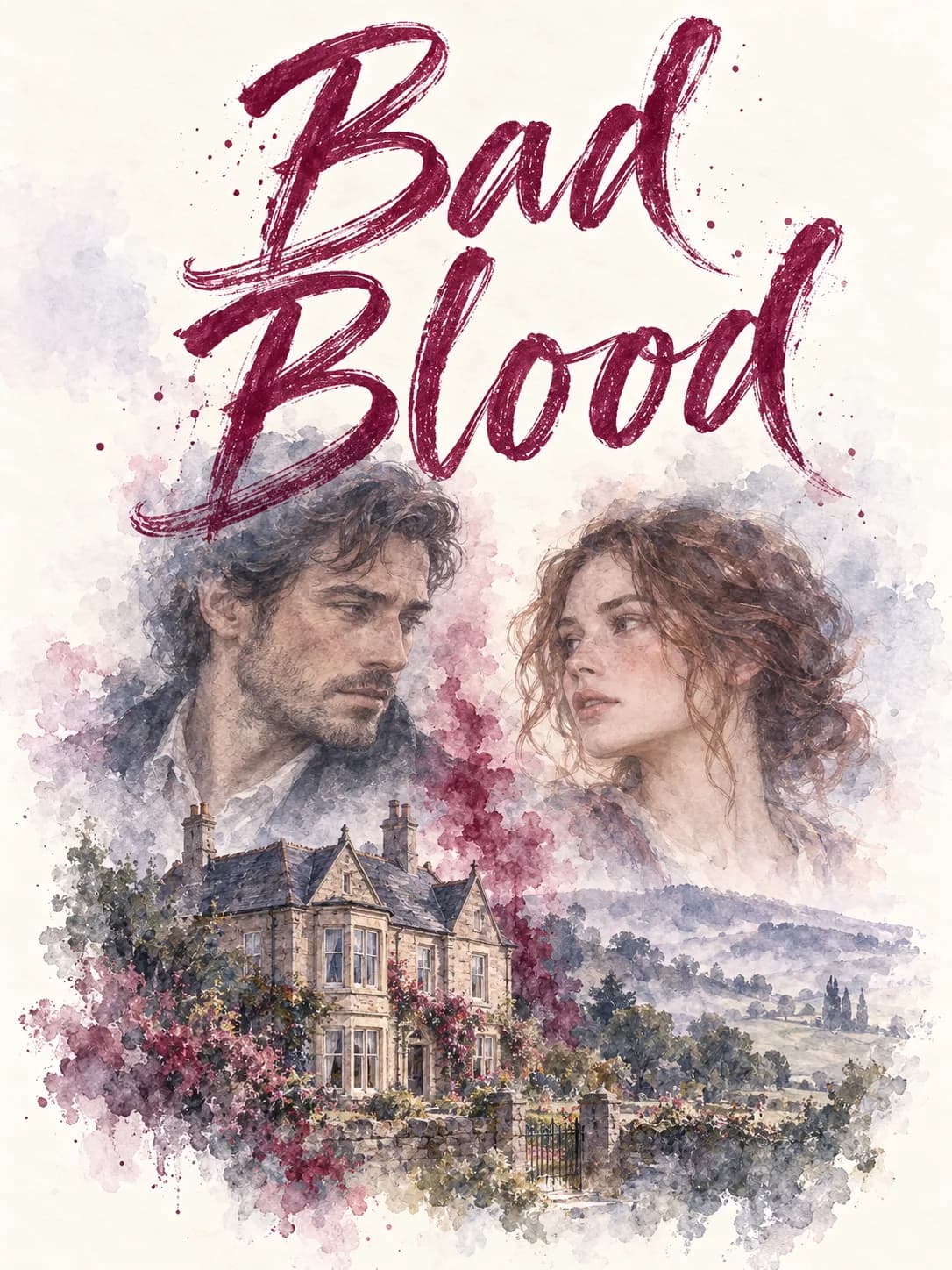
Bad Blood is a British psychological romance about privilege, guilt, attraction, and two people trying to escape the identities their families built for them.
Oliver Russell has constructed a quiet, meticulously controlled existence in rural Yorkshire. Once destined for a very different life, he now keeps his world deliberately small: his patients, his routines, his books, and the immaculate ground-floor flat where almost nothing happens without his permission.
Then Georgia Percy moves in upstairs.
Young, privileged, impulsive, and determined to reinvent herself as an artist, Georgia arrives with loud music, unfinished paintings, expensive tastes she pretends not to have, and an almost instinctive talent for disrupting Oliver’s carefully maintained peace.
Their shared Victorian house quickly becomes a battleground.
Oliver considers Georgia irresponsible, self-indulgent, and exhausting. Georgia finds him arrogant, controlling, and almost offensively certain that he understands everyone around him. Neither particularly likes the other, and neither can quite stop paying attention.
But beneath their constant friction lies an uncomfortable similarity. Both come from worlds shaped by wealth, expectation, and family legacy. Both have abandoned the lives they were supposed to want. And both have reasons for being in Yorkshire that are far more complicated than either is willing to admit.
As hostility slowly gives way to curiosity and attraction, the distance between their two lives begins to collapse. The closer they become, the harder it is to maintain the stories they have constructed about themselves.
Bad Blood is not a story about two damaged people magically fixing one another. It is about what happens when someone gets close enough to expose the lies that made surviving alone possible.